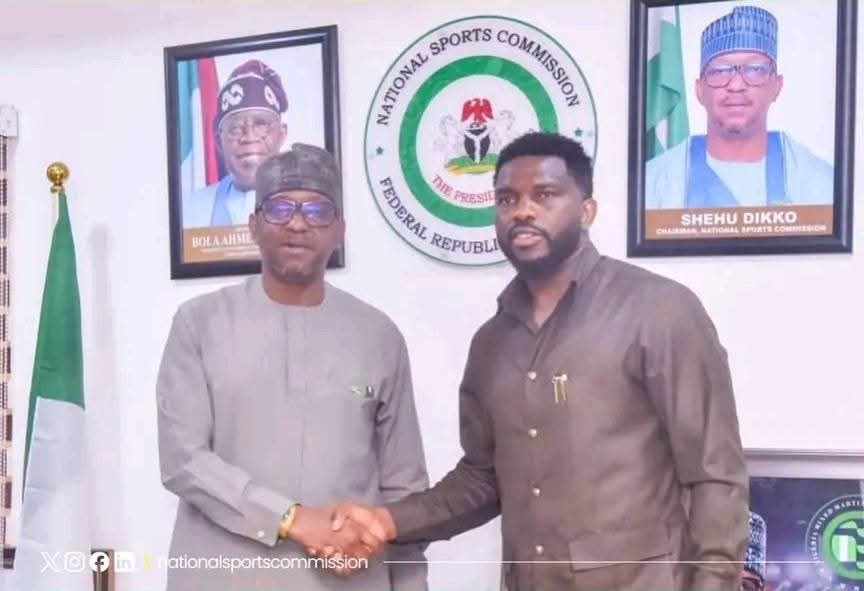


Olopade parleys WA to discuss Nigeria’s bid to host 2030 Wor...
The Director General of the National Sports Commission (NSC), Hon. Bukola Olopade, held discussions ...
a day ago
Sports administrators, coaches, club owners and journalists have been urged to embrace project management and leadership principles as critical tools for driving growth and professionalism within the sports industry





AMAPRO, PMI Nigeria empower sports stakeholders with project management, leadership training
Sports administrators, coaches, club owners and journalists have been urged to embrace project management and leadership principles as critical tools for driving growth and professionalism within the sports industry.
This formed the focus of a masterclass webinar organised by the AMAPRO Africa Development Program in partnership with the Project Management Institute Nigeria, which brought together more than 100 participants physically and virtually for a capacity-building session in Ilorin, Kwara State.
The programme, themed "Project Management and Leadership Skills in Modern Sports Ecosystem," was held at the Ilorin Innovation Hub on Saturday and aimed at equipping stakeholders with globally recognised project management practices that can strengthen sports administration and improve organisational efficiency.
Facilitators from PMI Nigeria highlighted the essential ingredients for successful sports event organisation and administration, including effective planning, budgeting, team leadership, risk management, progress monitoring and resource allocation.
Speaking virtually during the training, Anthony Dele Daniel stressed that successful project execution begins with clearly defining objectives, deliverables, timelines and project boundaries.
According to him, effective resource management and budget tracking help organisations avoid unnecessary spending, while continuous monitoring allows administrators to identify challenges early and make necessary adjustments to achieve desired outcomes.
Daniel also underscored the importance of leadership in sports management, noting that motivating teams, coordinating stakeholders and maintaining clear communication channels are vital for delivering successful projects.
Another facilitator, Adekemi Oyewusi, reinforced the need for sports professionals to integrate project management methodologies and leadership competencies into the rapidly evolving sports ecosystem.
The training received positive feedback from participants, including Kwara United Technical Adviser, Ashifat Suleiman, who described the programme as impactful and beneficial to professional development.
"Knowledge is a continuous process. This program has helped improve managerial skills. It is a very good program," Suleiman said.
Also speaking at the event, Board Member of the Kwara State Sports Commission, Monisola Makanjuola, commended the organisers for investing in capacity building and strengthening human resources within the sports sector.
The founder of the AMAPRO Africa Development Program, Shogo Shodunnke, said the initiative was designed to enhance leadership capacity and deepen knowledge across Africa's sports ecosystem.
Shodunnke noted that the programme would help stakeholders identify and maximise opportunities within their communities while promoting professional standards in sports administration.
He expressed confidence that adopting structured project management practices would transform sports administration, create economic opportunities and contribute to the long-term development of the sector.
According to him, a productive and well-organised sports ecosystem has the potential to deliver meaningful results and positively impact lives across communities.
The event concluded with certificates of participation presented to attendees, marking another step in efforts to promote professionalism, leadership and sustainable growth within Nigeria's sports industry.