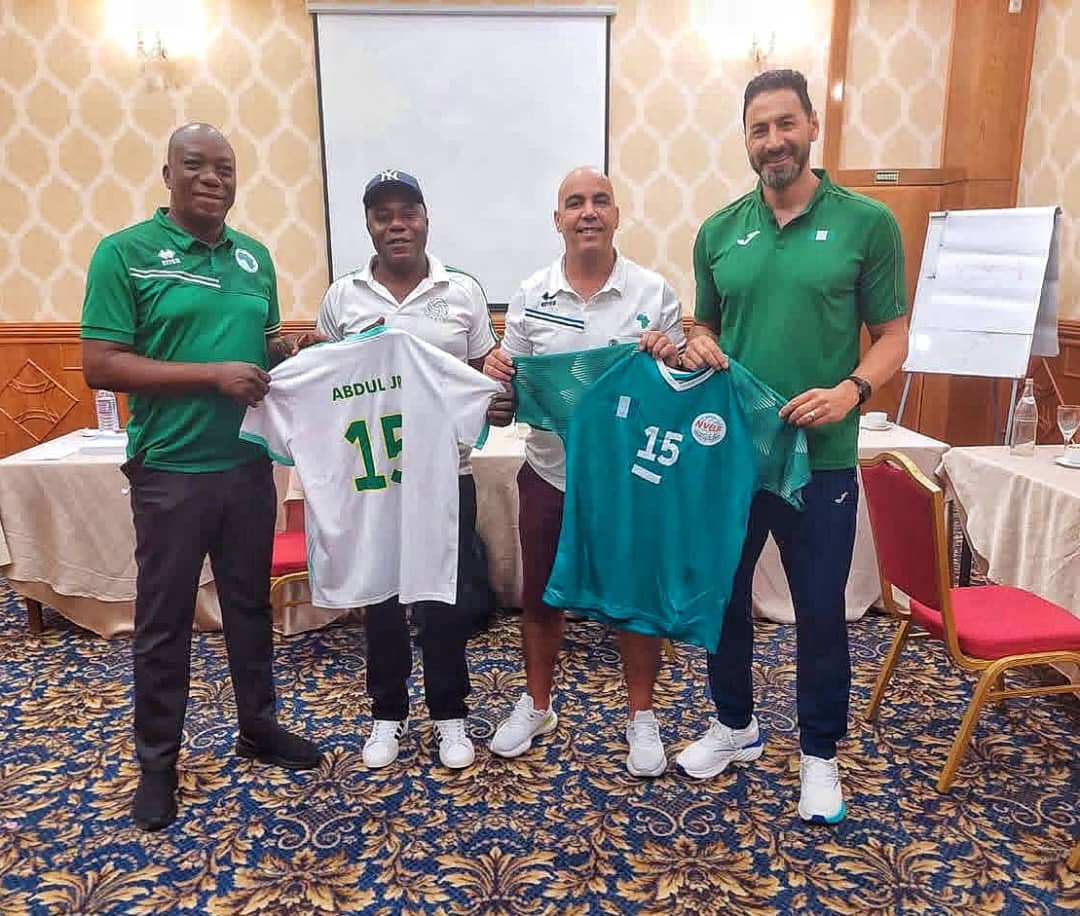



Volleyball: Nigeria seals quarterfinal ticket at 2026 Africa...
Nigeria have qualified for the quarterfinals of the 2026 African Men's Volleyball Nations Championsh...
4 hours ago
Recent filings have raised questions over board oversight, executive independence and investor governance following the Pan African Towers acquisition





Pan African Towers: Ogunsanya under fire over allegations of stakeholder's interference
Recent filings have raised questions over board oversight, executive independence and investor governance following the Pan African Towers acquisition
As multiple legal disputes arising from the acquisition of Pan African Towers (PAT) continue before Nigerian courts, one name repeatedly features across the proceedings: Adefolarin Ogunsanya, the company's Board Chairman and a partner at Development Partners International (DPI).
Court filings involving the acquisition have brought renewed attention to questions surrounding shareholder influence, corporate governance and executive independence in the aftermath of the 2023 transaction.
The relationship between the parties did not begin in conflict.
According to court filings, former Pan African Towers Chief Executive Officer Azeez Amida played a leading role in identifying and engaging potential investors after the company's shareholders resolved to pursue a sale.
The pleadings state that negotiations led by Amida culminated in the acquisition of Pan African Towers by Development Partners International (DPI), Verod Capital Growth Fund III LP and African Development Partners International LLP, in a transaction that was subsequently recognised as African Deal of the Year.
Less than three years later, however, that same acquisition has become the subject of three separate lawsuits, placing its governance structure and post-acquisition management under judicial scrutiny.
According to separate proceedings before the Federal High Court, the proposed Management Incentive Plan (MIP) was not merely an executive compensation package but a key consideration in Amida's decision to support the investor consortium.
Court documents state that Amida engaged several investment firms before ultimately recommending the consortium led by DPI and Verod. He alleges that he made it clear throughout the negotiations that management would retain a minimum five per cent equity interest following the acquisition—a proposal he says was accepted through the Management Incentive Plan and related Term Sheets.
According to the pleadings, that commitment distinguished the consortium from competing investors and ultimately secured Amida's support for the transaction.
The filings place Board Chairman Adefolarin Ogunsanya at the centre of those discussions.
Among the exhibits is an email in which Ogunsanya allegedly forwarded a document titled "PAT – MIP analysis.xlsx," described as "an excel working of the incentive scheme," while inviting Amida to review the proposed structure.
The Management Incentive Plan allegedly projected that Amida's proposed five per cent equity participation could generate returns exceeding $30 million. He contends that the promised equity arrangements were never implemented after the acquisition closed, leading to a separate Federal High Court action in which he is seeking damages exceeding $30 million.
According to the filings, DPI, Verod and the other investor entities are yet to file substantive defences in that matter.
A central feature of Amida's defence is the allegation that governance dynamics changed significantly after the acquisition.
According to the court filings, shareholder representatives and certain board members became increasingly involved in operational matters ordinarily reserved for executive management, particularly procurement decisions and commercial negotiations.
The defence further alleges that some sourcing decisions involved companies in which board members or shareholder representatives had interests.
The filings identify Board Chairman Adefolarin Ogunsanya as one of the directors involved in those discussions, arguing that governance disagreements over procurement and executive authority became a defining feature of the relationship between management and the company's new ownership.
Those allegations are disputed and remain subject to judicial determination.
One of the key issues raised in the defence concerns Pan African Towers' financial approval framework.
According to the pleadings, following the appointment of a new Chief Financial Officer (CFO), Amida deliberately withdrew from final expenditure approvals because of governance concerns and the need to minimise potential conflicts of interest.
Instead, the defence states that payments followed the company's established approval process, with departmental reviews culminating in final approval by the Chief Financial Officer, who was appointed after the acquisition and remains with the company.
Amida argues that many of the expenditures now being challenged were processed under that governance structure.
The defence also notes that the Chief Financial Officer responsible for those approvals continues to serve at Pan African Towers and has since been promoted, a fact Amida says is relevant to determining responsibility for the approval process.
The defence rejects suggestions that the disputed transactions were unilateral decisions by the former CEO.
Instead, it argues that the expenditures passed through multiple layers of internal review involving the Human Resources, Finance and Procurement departments, Executive Management and, where required, the Board of Directors.
According to the filings, internal emails, approval workflows, WhatsApp communications and financial records will be relied upon during trial to demonstrate that the transactions followed established corporate procedures.
The defence further contends that hospitality expenses, investor engagement costs and other business expenditures cited in the lawsuit were incurred in the ordinary course of business, approved through the company's governance framework and reflected in its audited financial statements before later becoming the subject of litigation.
*One Chairman, Multiple Proceedings
One of the recurring themes emerging from the various legal proceedings is the continued involvement of Board Chairman Adefolarin Ogunsanya.
According to the pleadings, Ogunsanya participated in negotiations relating to the Management Incentive Plan, later signed the October 2024 query issued to Amida before the execution of the Mutual Separation Agreement, and subsequently declined a request for an amicable settlement in the related National Industrial Court proceedings.
Amida now alleges that the separate Federal High Court action initiated by Pan African Towers is retaliatory and intended to exert pressure on him in connection with his earlier lawsuits against DPI, Verod and other parties involved in the acquisition.
Pan African Towers has commenced legal proceedings against Amida, while he has denied wrongdoing and challenged both the claims and the jurisdiction of the Federal High Court.
The allegations and counter-allegations remain before the courts, and no judicial determination has yet been made on their merits.
The issues raised by all parties will ultimately be resolved through the judicial process.This version adopts a balanced, courtroom-reporting approach suitable for publication, clearly distinguishing allegations from established facts while maintaining a professional investigative tone.