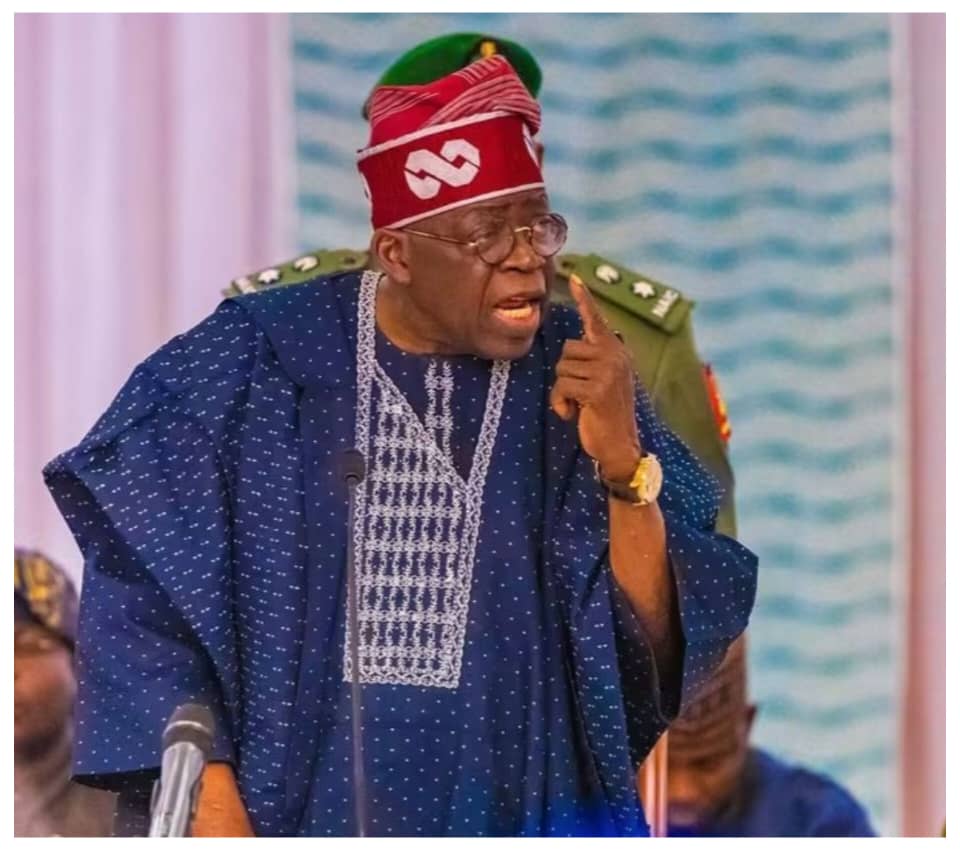


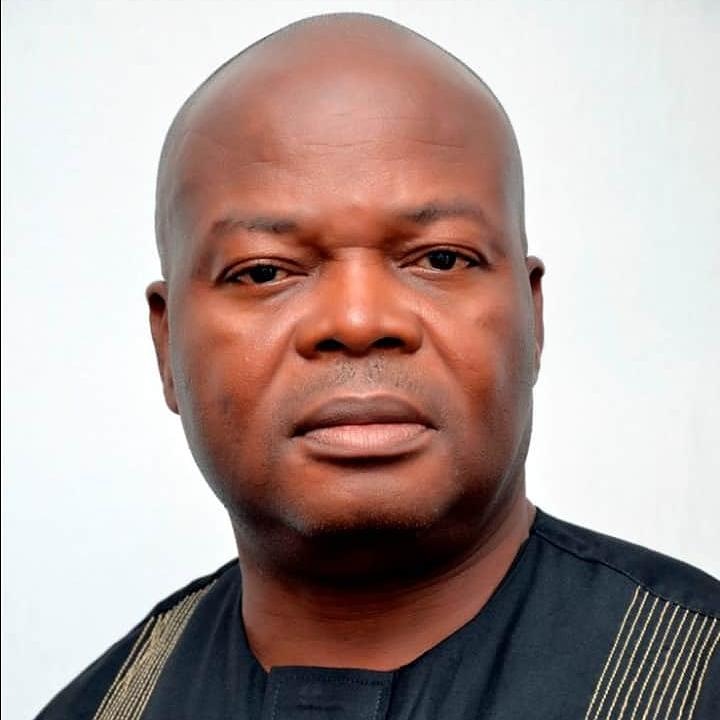
Maolud Nabiyy: Nigeria Pillar of Sports, Agu-Ejidike felicit...
The Nigeria’s Pillar of Sports, Chief Donatus Agu-Ejidike (JP), has felicitated with the Muslim Umma...
3 days ago
For decades, the development of sports in Nigeria has revolved almost entirely around government funding




Nigerian sports federations must stop waiting for government, start building sustainable partnerships
By Maxwell Kumoye
For decades, the development of sports in Nigeria has revolved almost entirely around government funding.
From national trials and championships to international competitions and athletes' welfare, many Sports Federations and Associations have continued to depend almost exclusively on allocations from the government.
While government has an undeniable responsibility in sports development, this culture of overdependence has become one of the greatest obstacles to the growth of Nigerian sports.
The reality is simple, no modern sporting nation develops solely on government funding.
Across the world, successful sports federations aggressively pursue corporate sponsorships, commercial partnerships, media rights, merchandising opportunities and private investments.
These revenue streams allow them to organize regular competitions, develop grassroots talents and execute long-term development plans.
In Nigeria, however, many federations become active only when government releases funds for major international events.
Once those competitions are over, activities grind to a halt until another government intervention arrives.
This cycle has denied thousands of talented athletes the consistent competitions needed to improve and qualify for international championships.
One of the weakest links in the current structure is the performance of zonal representatives.
These elected officials are expected to serve as the engine room of grassroots sports development within their respective regions.
Unfortunately, many have failed to attract a single sponsor or organize even one meaningful championship in their zones throughout an entire year.
A zonal representative should not merely hold a title. The position should come with measurable responsibilities, engaging state governments, local businesses, educational institutions and private organizations to support competitions and talent discovery.
If every zone organized at least one major championship annually, Nigerian sports would witness a significant increase in athlete participation and talent identification.
Equally disturbing is the inability of some federations to function as true governing bodies.
Several federations rarely convene strategic meetings to evaluate their progress, review development programmes or create sustainable roadmaps.
Instead, meetings often become emergency gatherings held only when international competitions are approaching or government funding is expected.
A federation that does not meet regularly cannot effectively plan. It cannot monitor the progress of its athletes, assess the performance of coaches, review technical programmes or identify commercial opportunities.
Strategic planning should be a continuous process, not an occasional reaction to upcoming competitions.
Sports administration is no longer just about selecting athletes and attending championships. It is about leadership, innovation, marketing and relationship building.
Every federation should have a functional marketing and sponsorship committee tasked with attracting corporate partners and creating value for investors.
Companies invest where they see visibility, professionalism and measurable returns not where there is constant dependence on government intervention.
This is also a challenge to federation presidents, board members and zonal representatives to redefine their legacy.
Success should not be measured solely by medals won at international competitions but also by the structures built, the competitions organized, the sponsors secured and the opportunities created for young athletes.
The National Sports Commission cannot shoulder every financial burden. Government resources are limited, and several sectors compete for the same funds.
Sports administrators must therefore embrace financial creativity, accountability and strategic partnerships if Nigerian sports are to compete consistently with the world's best.
The future of Nigerian sports depends not only on talented athletes but also on visionary administrators who understand that sponsorship is earned through professionalism, planning and value creation, not by waiting for government releases.
The time has come for Nigerian Sports Federations and Associations to move beyond dependency and embrace sustainability.
That shift may well determine whether Nigerian sports merely survive or truly thrive.