

NLO tasks clubs on compliance with Financial Reporting param...
To support the ongoing professionalisation of the Nationwide League One and boost the clubs' commerc...
7 hours ago
How do we build a football economy back home?




MY AFCON Observatory:
Conversation with a Concerned Nigerian Professional: How do we build a football economy back home?
By Sola Fanawopo, in Morocco
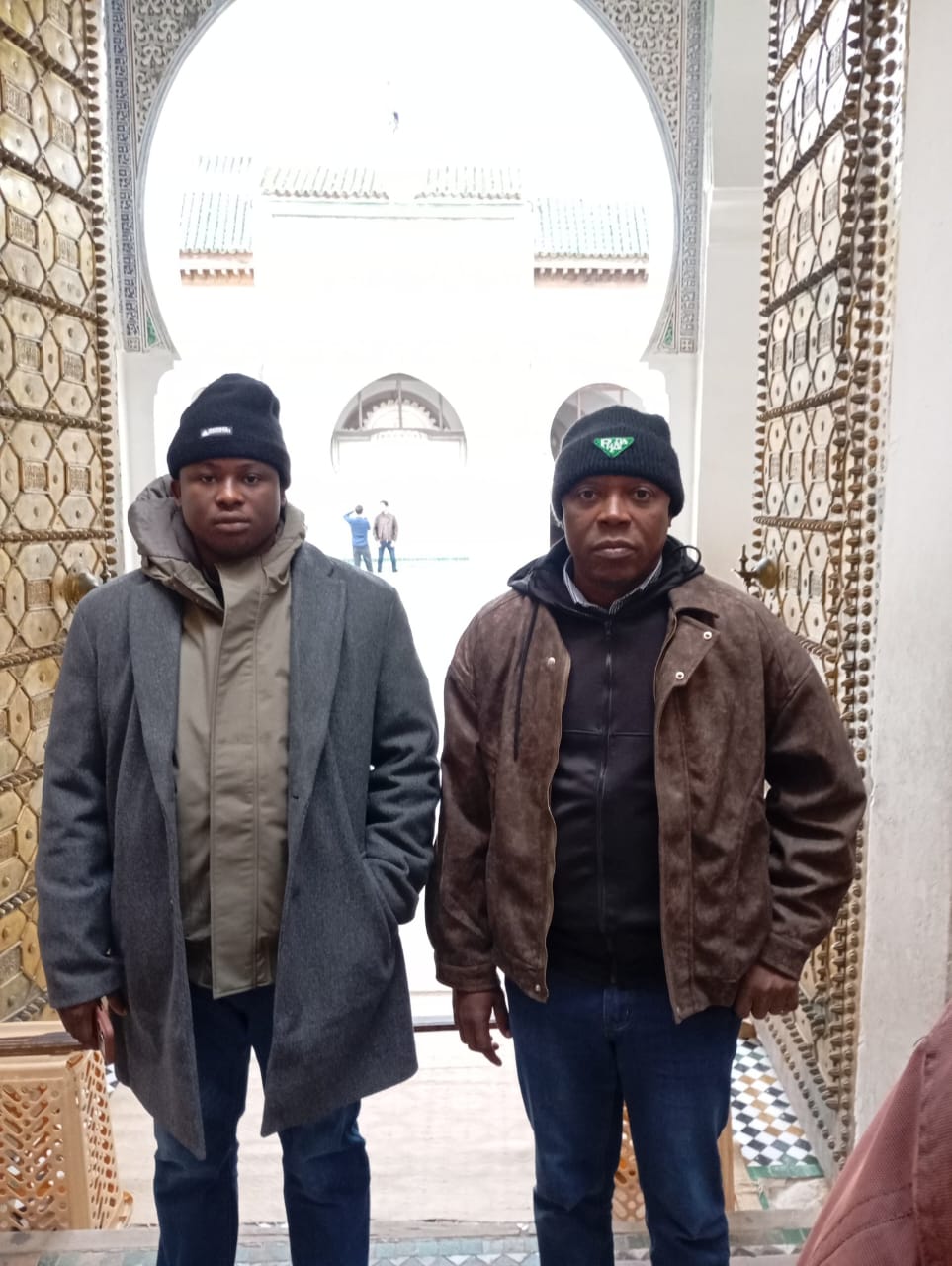
I recently had a thoughtful conversation with a young Nigerian professional working in the oil and gas sector.
Like many Nigerians in the diaspora this December, he is in Morocco—watching the Super Eagles and enjoying his annual Christmas break.
His story is familiar, almost archetypal. Growing up in Kwara State, he dreamt of becoming a professional footballer. But reality intervened.
He watched many talented, better-equipped youngsters waste their formative years chasing trials, contracts, and promises that never materialised.
Disillusioned but pragmatic, he refocused on academics. Today, he earns well, travels freely, and can watch football anywhere in the world. Yet his ambition goes beyond personal success.
He wants Nigeria to be a giant not only on the pitch at AFCONs and World Cups, but also off it: the best domestic league in Africa, world-class football arenas, and the capacity to host major tournaments the way Morocco is doing now.
His prescription was blunt and confident: privatise Nigerian football, and everything will fall into place.
For a generation raised on the visible collapse of public institutions and chronic government failure, this conclusion is predictable.
If government touches it, it fails; if the private sector takes over, it thrives. End of story.
But that is where I disagreed.
Private sector involvement is important—no serious football economy survives without it. But privatisation is not the primary determinant of success.
The real question is more fundamental: what does government think football is for?
In Morocco, football is not treated as a charity project, a political favour, or an emotional distraction.
It is a strategic asset. Hosting AFCON, youth tournaments, women’s championships, and global friendlies fits neatly into a broader tourism, infrastructure, and soft-power playbook. Stadiums are transport-linked. Pitches are investment-grade. Football is policy, not sentiment.
So the harder question for Nigeria is this: What is Nigeria’s football playbook? What is our national football policy beyond winning the next match?
How does football connect to tourism, urban renewal, youth employment, media rights, creative industries, or international branding?
Why should a government ministry, a state governor, or a city planner see football as an economic instrument rather than a cost centre?
This is where Nigerian football consistently breaks down. The biggest missing link is not ownership structure; it is governance and thinking.
There is an absence of coherent policy, an absence of long-term planning, and an absence of intellectual seriousness about football’s public importance to the economy.
We oscillate between populism (“football unites us”) and neglect (“there is no money”), without ever doing the hard work of system design.
Privatising chaos does not produce order.
Selling clubs without fixing governance simply transfers dysfunction from public hands to private ones.
Until government defines why football matters—economically, culturally, and strategically—the ecosystem cannot mature. Leagues will remain weak, stadiums underutilised, talents exported too early, and fans turned into mere consumers of foreign leagues.
Football, like oil once was, can be a national asset. But assets only generate value when they are governed with clarity of purpose.
That, more than privatisation, is the conversation Nigeria still needs to have.
.Fanawopo, a journalist and Chairman Osun Football Association