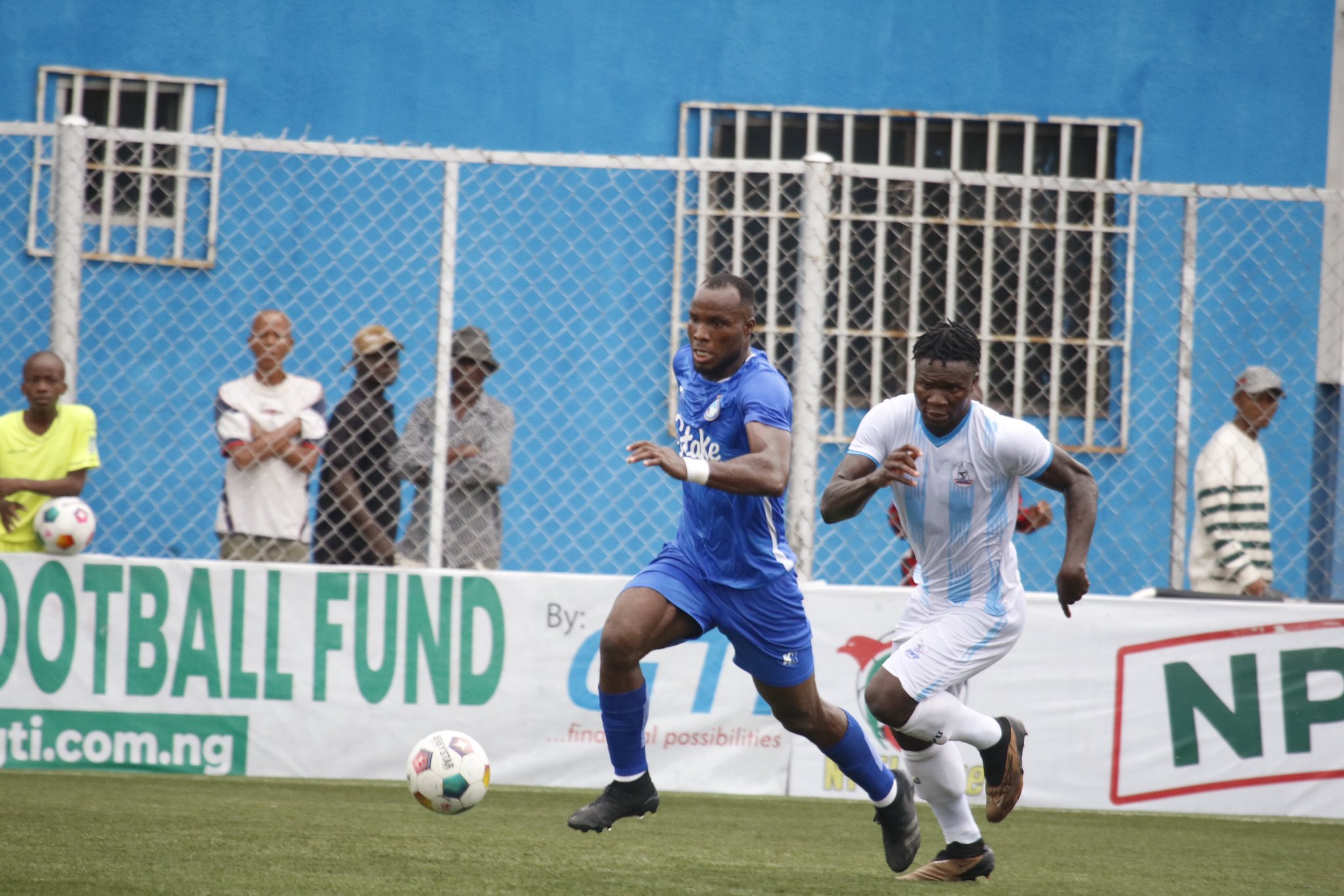



Nigeria loses Hosting Rights to All Africa Challenge Trophy ...
Nigeria's dream of hosting the 2026 All Africa Challenge Trophy (AACT) has suffered a major setback ...
16 hours ago
In a strategic move aligned with national sports reform and global governance standards, the Nigerian Olympic Committee (NOC) is set to host an advanced gender-inclusive governance course, supported by the International Olympic Committee (IOC)




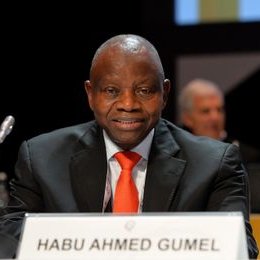
NOC to Host IOC-backed advanced gender-inclusive governance course in Abuja
In a strategic move aligned with national sports reform and global governance standards, the Nigerian Olympic Committee (NOC) is set to host an advanced gender-inclusive governance course, supported by the International Olympic Committee (IOC).
The three-day intensive programme will take place from March 23 to March 25, 2026, at the Media Centre, Package B, Moshood Abiola National Stadium, Abuja.
Supported by Olympic Solidarity, this initiative is specifically designed for former female athletes and women currently serving on the Boards of National Sports Federations.
The programme underscores the NOC’s commitment to strengthening governance structures, promoting inclusive leadership, and enhancing institutional effectiveness across Nigeria’s sports ecosystem.
The course will be officially declared open by the President of the NOC, Engr. Habu Ahmed Gumel, who maintains that sustainable sports development would rely heavily on transparent, accountable, and inclusive frameworks.
According to him, institutional reform requires competent and inclusive leadership. By investing in the capacity of women leaders, we are strengthening governance, improving compliance with international standards, and reinforcing the foundation for sustainable sports development in Nigeria
To be delivered under the IOC’s global educational framework, the curriculum is based on the IOC Sports Administration Course manual.
The participants will receive internationally recognised training in governance reform and strategic planning; financial oversight and organisational accountability; ethical leadership and safeguarding principles; and policy implementation and institutional management.
Engr. Gumel also notes that beyond technical instruction, the program serves as a vital platform for mentorship and peer collaboration. It aims to cultivate a network of women leaders equipped to influence institutional reforms and drive long-term strategic growth within their respective federations.
The NOC reaffirmed its dedication to aligning national sports governance with evolving international benchmarks. By fostering collaboration with government agencies and stakeholders, the Committee seeks to ensure measurable progress in board diversity and leadership effectiveness.
This initiative is expected to yield tangible impacts, including strengthened institutional oversight and enhanced participation of women in high-level decision-making roles across Nigerian sports. - End -