

"Tomorrow Runs Here": Enugu gears up for landmark 2nd editio...
The Enugu State Government, in partnership with Nilayo Sports Management Limited, has assured partic...
7 days ago
The commission has been allocated N203,602,968,852, a 300% increase from the N78 billion allocated in 2025. However, in dollar terms, this translates to just over $17 million, a stark contrast to Morocco's $1 billion investment in sports infrastructure.




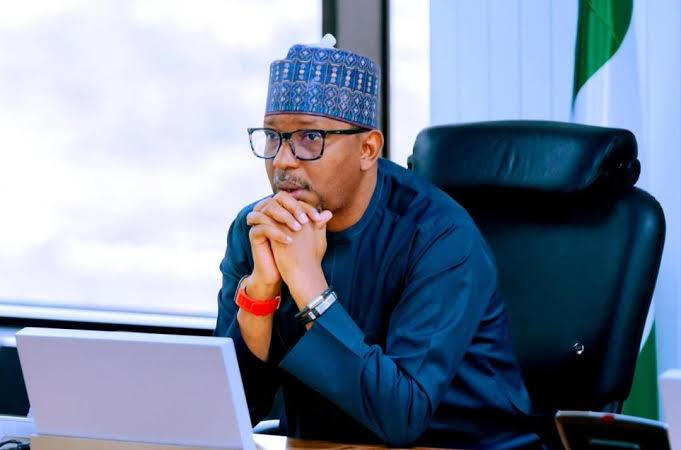
Sports: A capital-intensive project that we must all accept
By Sylvanus Ofekun
Globally, sports development is a capital-intensive and costly project, which, if properly managed, yields significant returns on investment. Countries like Morocco, England, Saudi Arabia, and the United States have demonstrated that allocating substantial resources to sports infrastructure can propel national pride, economic growth, and international recognition.
Recently, Nigeria's National Sports Commission budget for the 2026 fiscal year has been under scrutiny. The commission has been allocated N203,602,968,852, a 300% increase from the N78 billion allocated in 2025. However, in dollar terms, this translates to just over $17 million, a stark contrast to Morocco's $1 billion investment in sports infrastructure.
Morocco's investment has transformed the country into a global sports hub, hosting high-profile events like the African Cup of Nations and FIFA Club World Cup. The nation's state-of-the-art stadiums, training facilities, and sports academies attract international teams and events, boosting tourism and local economies. In comparison, Nigeria's sports budget appears modest.
The Nigerian government plans to upgrade the Moshood Abiola National Stadium, Abuja, at a cost of N24,642,000,000, with additional funds allocated for rehabilitation and internet connectivity. While this is a step in the right direction, it pales in comparison to Morocco's investments.
Morocco's Sports Renaissance
Morocco has invested heavily in sports infrastructure, allocating over MAD 9.5 billion ($1 billion) to modernize stadiums, including the Prince Moulay Abdellah Stadium in Rabat. The country plans to spend $16 billion on infrastructure, including hospital upgrades and transport networks. Morocco's 2026 budget allocates MAD 380 billion ($41 billion) for airports, high-speed rail, and sports infrastructure.
Nigeria's Sports Sector: Time for Change
To improve Nigeria's sports sector, the government should:
1. Increase budget allocation to sports development
2. Collaborate with private investors for infrastructure development
3. Invest in grassroots sports programs
4. Host international events to showcase Nigeria's capabilities
5. Develop sports tourism packages
In the words of Chairman of the National Sports Commission, Mallam Shehu Dikko, "Sports can only get better with the Renewed Hope Initiative for Nigeria Sports Economy(RHINSE), and the bold plan to Reset, Refocus and Relaunch the sports ecosystem, Nigeria will witness an ecosystem from competition driven to a developmental driven and value addition industry." According to him,the Commission is focused on upgrading key sports facilities across the the country to meet global standards, starting with MKO Abiola stadium in Abuja.
The Director General of the National Sports Commission, Hon. Bukola Olopade, emphasizes an athlete-centric approach, focusing on welfare and preparations for the 2026 sports calendar year.
"No looking back, the Chairman and I are determined to transform sports in line with mandate of Mr.President, who believes so much in sports development and he is haste to see tangible transformation.To achieve the mandate, our athletes are the fulcrum, and we must put their welfare first; reason we want to start early camping for the Commonwealth games in Glasgow."Olopade stated.
Comparison with Global Sports Powers
England's Premier League and the United States' sports industry generate billions of dollars in revenue, creating jobs and stimulating local economies. Nigeria can learn from these examples, prioritizing sports infrastructure development to unlock economic growth and promote national pride.
It's time for Nigeria to take sports seriously and invest in its future. Let's make sports a priority and reap the rewards.
The Way Forward
Nigeria's sports sector has potential, but it needs investment. The government must prioritize sports development, allocating sufficient funds to upgrade infrastructure, support athletes, and promote grassroots programs. Private sector involvement can also play a crucial role in driving growth and innovation.
Investing in Sports, Investing in Nigeria
By investing in sports, Nigeria can create jobs, stimulate economic growth, and promote national pride. It's a winning formula that can benefit the country and its people. Let's work together to make Nigeria a sports powerhouse.
Nigeria's sports sector is at a crossroads. With the right investment and strategy, it can become a major player on the global sports stage. The government, private sector, and stakeholders must work together to prioritize sports development and unlock the country's potential.