

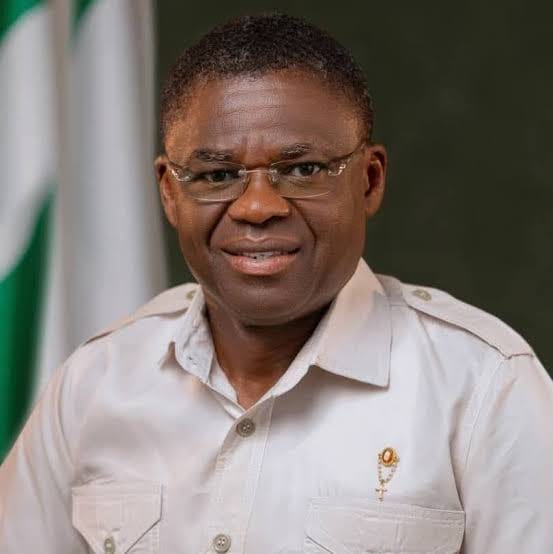
NIS DG, Shaibu urges D’Tigers to shake off defeat, focus on ...
The Director General and Chief Officer of the National Institute for Sports, NIS, Comrade Philip Sha...
7 hours ago
Nigeria’s 2026 federal budget has triggered fresh scrutiny after a N6.44 billion allocation was discovered for a “Special Presidential Support Group for World Cup Qualifiers” months after the Super Eagles had already been eliminated from the 2026 FIFA World Cup qualifying campaign




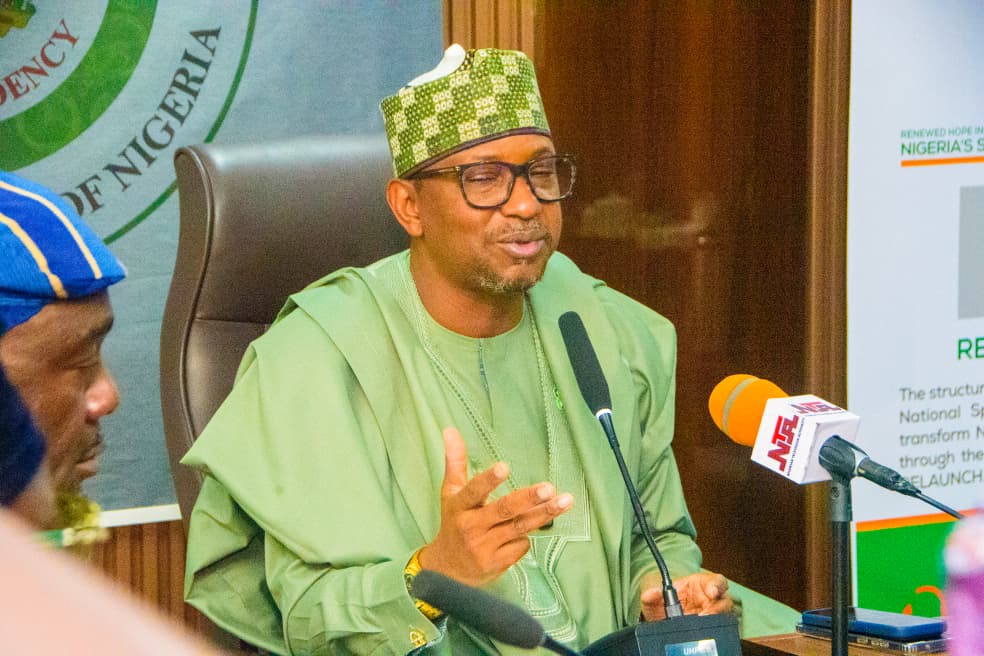
N6.44bn World Cup budget row: Nigeria faces fresh questions over funding for non-existent qualifiers
By Gbenga Adebamiwa
Nigeria’s 2026 federal budget has triggered fresh scrutiny after a N6.44 billion allocation was discovered for a “Special Presidential Support Group for World Cup Qualifiers” months after the Super Eagles had already been eliminated from the 2026 FIFA World Cup qualifying campaign.
The discovery has renewed concerns about transparency, budget oversight, and public financial management, with critics demanding explanations from the relevant authorities.
The controversial provision appeared under the National Sports Commission (NSC) in the 2026 Appropriation Act.
Official records show Nigeria’s World Cup qualification hopes ended on November 16, 2025, following a defeat to the Democratic Republic of Congo in Rabat, Morocco.
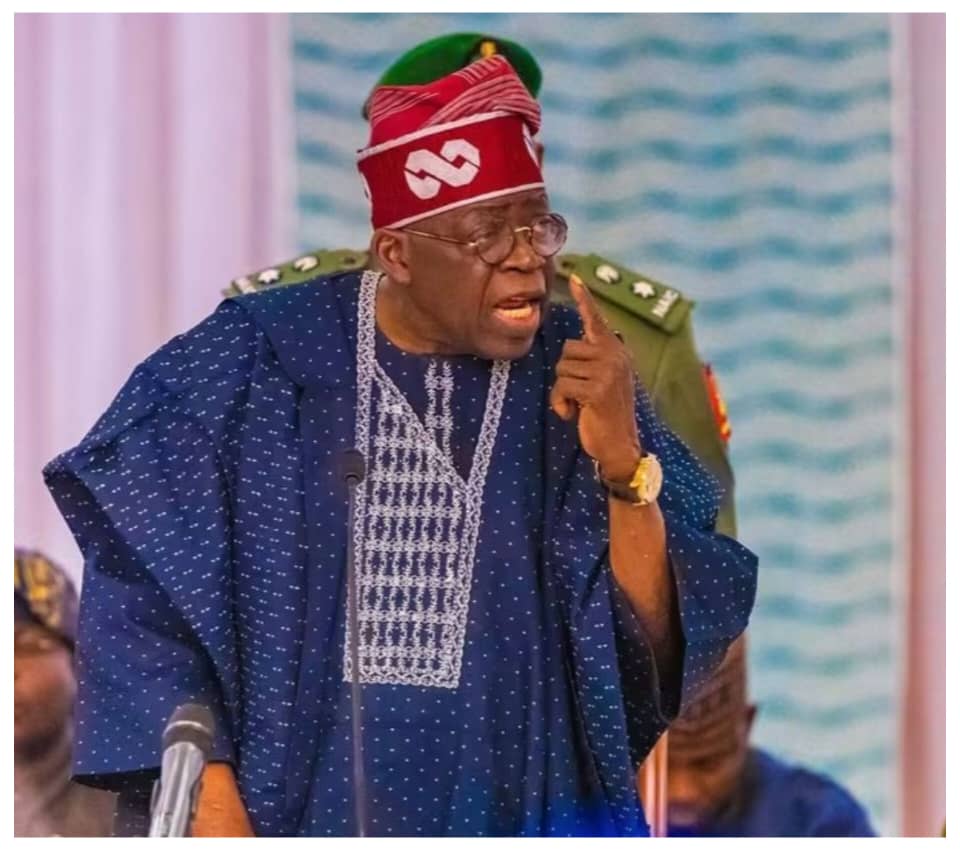
Despite the team’s elimination, President Bola Ahmed Tinubu presented the 2026 budget to the National Assembly on December 19, 2025, and later signed it into law on April 17, 2026, with the allocation still included.
Attention has now shifted to the institutions responsible for the budget process. Critics argue that the Executive should have removed any obsolete provision before submitting the budget, while lawmakers are being questioned for approving the appropriation without identifying or challenging the allocation.
The National Sports Commission (NSC) has also come under scrutiny after listing funds for a presidential support group that reports indicate was never inaugurated or operational.
Available information indicates there is no public evidence that the N6.44 billion has been released or spent.
However, governance analysts argue that the presence of such a budget line raises concerns about possible budget padding or weaknesses in expenditure planning.
The controversy has become even more pronounced because the Nigeria Football Federation (NFF) reportedly received about N2.31 billion for its broader football operations, significantly less than the amount earmarked for the disputed support group.
The revelation has generated widespread reactions across social media and among civil society organisations, with many Nigerians questioning how a funding request linked to a concluded qualification campaign remained in the final budget.
Transparency advocates say the incident highlights persistent gaps in Nigeria’s budget preparation, review, and oversight systems.
They have called for stronger pre-approval audits, regular public expenditure reviews, and stricter accountability mechanisms to prevent outdated or questionable allocations from passing into law.
The controversy extends beyond sports. It raises more complex questions about the integrity of Nigeria’s public finance system and the effectiveness of checks and balances designed to protect taxpayers’ money. Was the allocation an administrative oversight, a budgeting error, or evidence of deeper systemic weaknesses? Why did it remain in the budget throughout the Executive and legislative approval process? And what reforms will be introduced to ensure every naira appropriated serves a legitimate public purpose?
Until these questions receive clear, evidence-backed answers, the N6.44 billion allocation is likely to remain a focal point in Nigeria’s continuing debate over transparency, accountability, and fiscal responsibility.
.Culled from Theinsightlensproject.com