

PFAN urges holistic approach to NFF reform
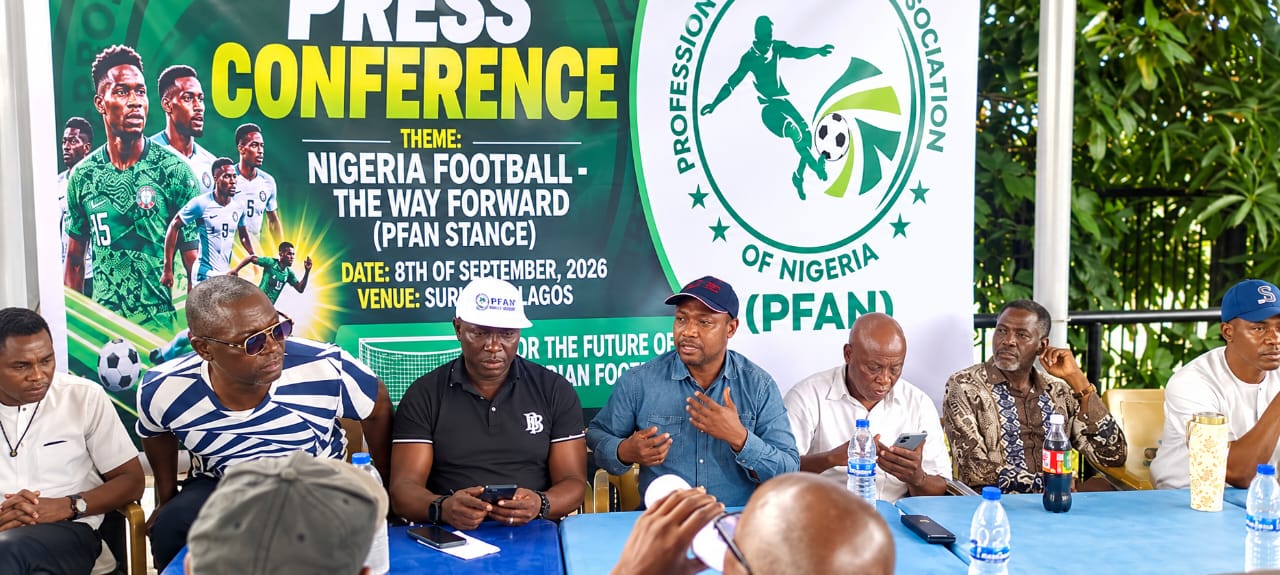
The Professional Footballers Association of Nigeria (PFAN) has urged the National Sports Commissio...
a day ago
Africa’s athletics circuit has surged into global prominence in recent weeks, delivering a seamless blend of elite competition, technical precision and growing international appeal yet the same standard still appears frustratingly out of reach for Nigeria




Africa sets the pace as Nigeria urged to fix technical gaps amid NSC remarkable reforms
Africa’s athletics circuit has surged into global prominence in recent weeks, delivering a seamless blend of elite competition, technical precision and growing international appeal yet the same standard still appears frustratingly out of reach for Nigeria.
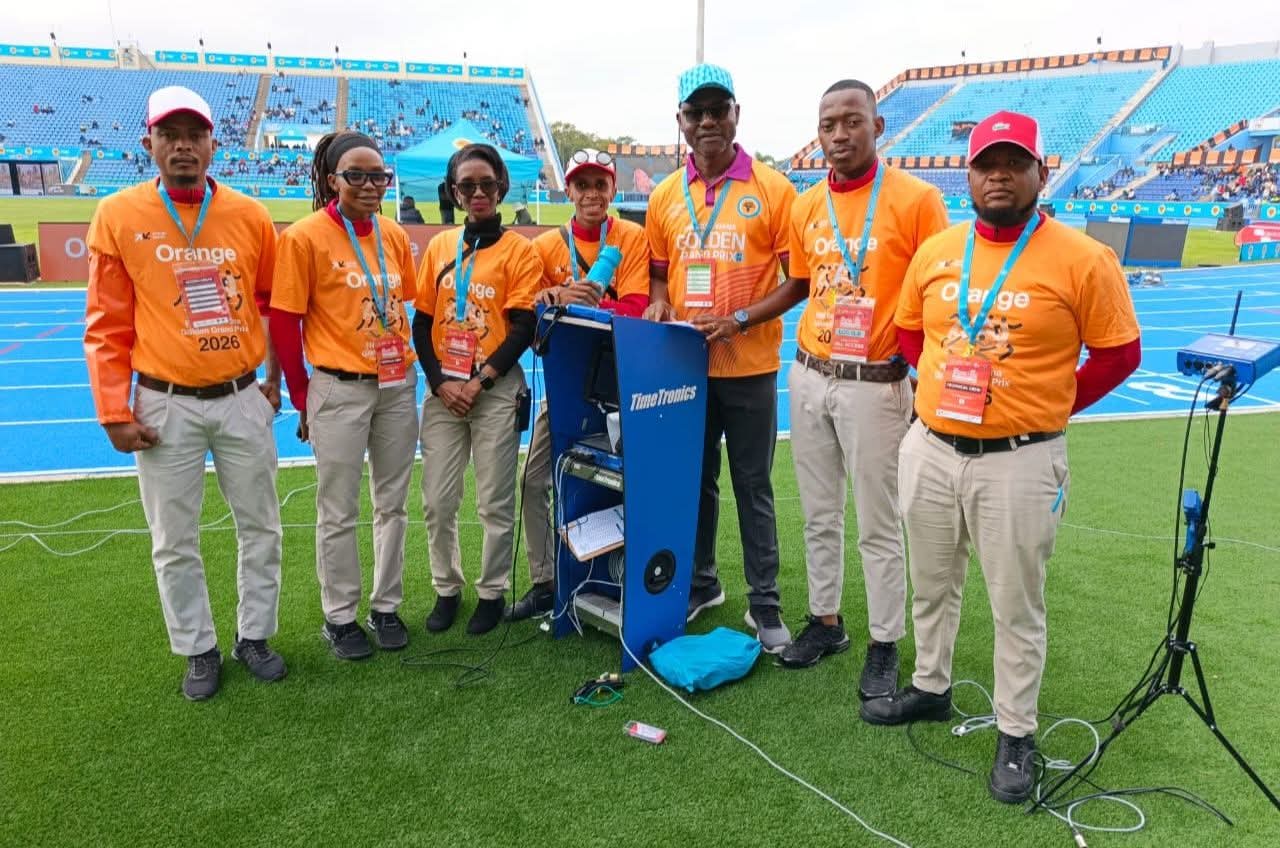
From the bustling tracks of Addis Ababa to the electric atmosphere at Nairobi’s Nyayo Stadium for the Kip Keino Classic, and onward to Gaborone for another Grand Prix, the continent has hosted a string of high-calibre meets that have drawn top athletes from the United States, Europe and Africa.
The season had earlier gathered momentum with the Lefika International Relays, effectively setting the tone for what has become a vibrant African athletics renaissance.
Beyond the star power on the track, it was the technical excellence behind the scenes that stood out.
Competitions were executed with precision, meeting global standards and earning commendation from World Athletics officials.
Former Technical Director of the Athletics Federation of Nigeria, retired General, Omatseye Nesiama, highlighted this stark contrast.
According to him, organisers across these meetings demonstrated discipline and professionalism, ensuring events ran strictly within broadcast windows while deploying only certified officials.
He pointed to a critical requirement, officials must possess World Athletics-approved National Athletics Referee (NAR) certification, describing it as a non-negotiable benchmark for credibility.
Nesiama did not mince words when comparing that standard to the Nigerian situation.
“In most cases, we run high-level competitions with unqualified officials. It is shameful,” he said, warning that such lapses continue to cost Nigeria opportunities to host major World Athletics events.
His concerns echo a growing sentiment among stakeholders, who believe Nigeria risks being left behind despite its rich pool of athletic talent.
Analysts argue that while Nigerian athletes continue to shine individually, the domestic system underpinning the sport remains weak, particularly in technical administration and coaching quality.
Amid these concerns, the National Sports Commission (NSC) has drawn commendations for renewed efforts to reposition Nigerian sports.
Under the leadership of Mallam Shehu Dikko and Honourable Bukola Olopade, the Commission has significantly improved funding structures, enhanced athlete welfare, and strengthened camping programmes across federations.
Their commitment, often described as “burning candles at both ends” has injected fresh energy and direction into the sector.
However, stakeholders insist that goodwill and funding alone will not sustain progress.
They are urging the NSC to confront the more difficult task: a thorough overhaul of the technical arms of national federations.
This includes enforcing strict certification standards, removing unqualified coaches and officials, and aligning Nigeria’s sporting structures with global best practices.
The argument is simple but urgent, without competent technical leadership, even the most talented athletes will struggle to reach their full potential, and Nigeria will remain on the fringes of global hosting rights and influence.
Africa is showing what is possible. The question now is whether Nigeria is ready to match that standard not just in ambition, but in execution.