

International Friendly: Super Falcons edge Senegal’s Lioness...
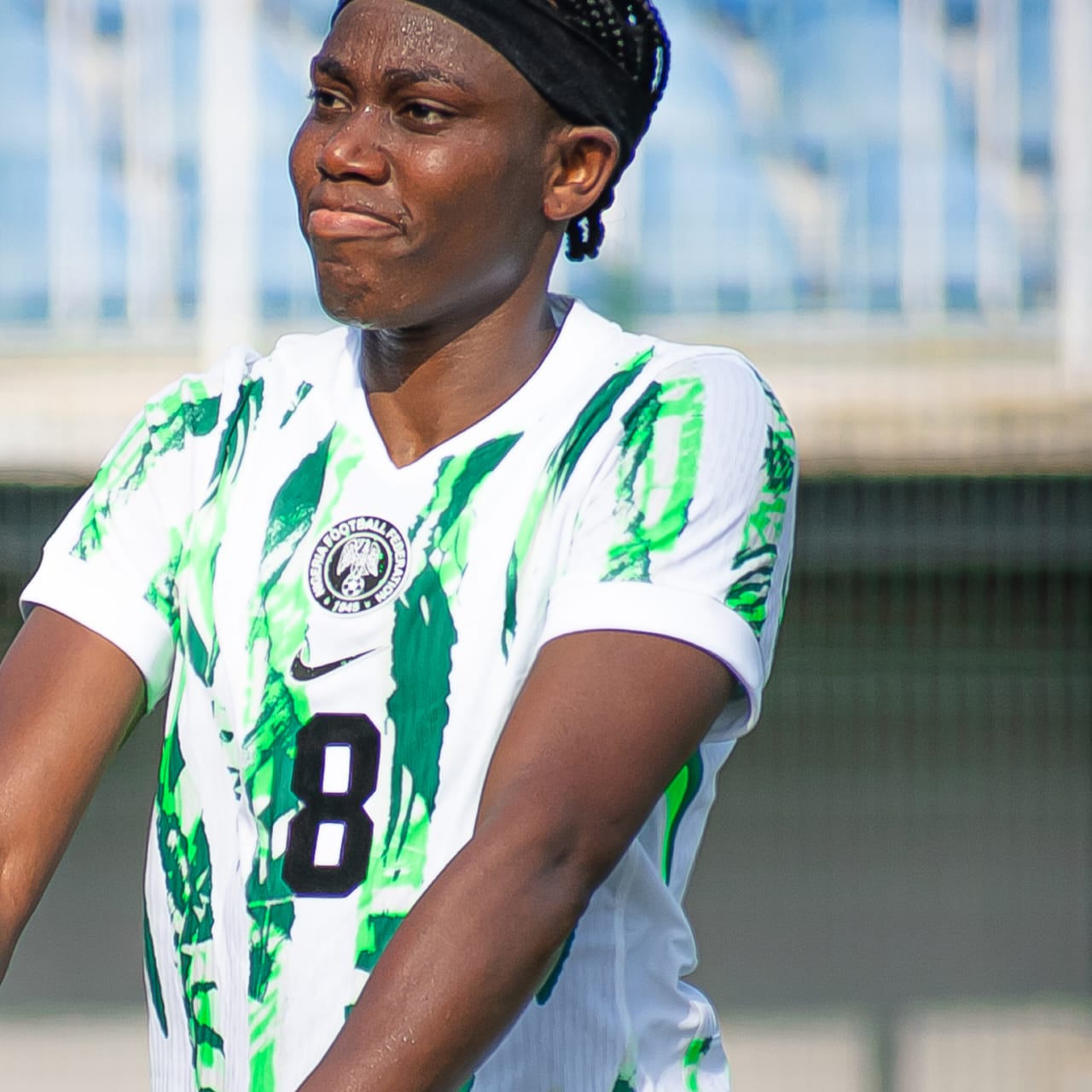
Cup-holders Super Falcons on Friday opened their 14th WAFCON preparations with a controlled 2-1 vict...
6 days ago
Let me begin by thanking my readers across the world. I am grateful for the encouragement I received to continue entertaining you with my Observatory. This has been a dynamic, fun-filled tournament, the best-organized AFCON ever, in my opinion.




My AFCON 2025 Observatory
Beyond the "Dark Arts"
By Sola Fanawopo
Let me begin by thanking my readers across the world. I am grateful for the encouragement I received to continue entertaining you with my Observatory. This has been a dynamic, fun-filled tournament, the best-organized AFCON ever, in my opinion.
This piece, "Beyond the Dark Arts," is my farewell Observatory. It addresses the scenes we witnessed in the semi-final between Nigeria and Morocco and the final between Senegal and Morocco. In all my years in football, I have never seen such displays, certainly not at an Africa Cup of Nations final.
The Towel War
Strangely, we witnessed ball boys and stadium security scuffling over a goalkeeper’s towel. We saw a substitute, who should have been warming the bench, instead sprinting to the back post to guard spare linens. Most jarringly, we saw Morocco’s captain and current African Player of the Year, Achraf Hakimi, deliberately throwing Senegalese goalkeeper Édouard Mendy’s towel toward the ball boys for confiscation.
It was ugly. It was shameless. It was surreal.
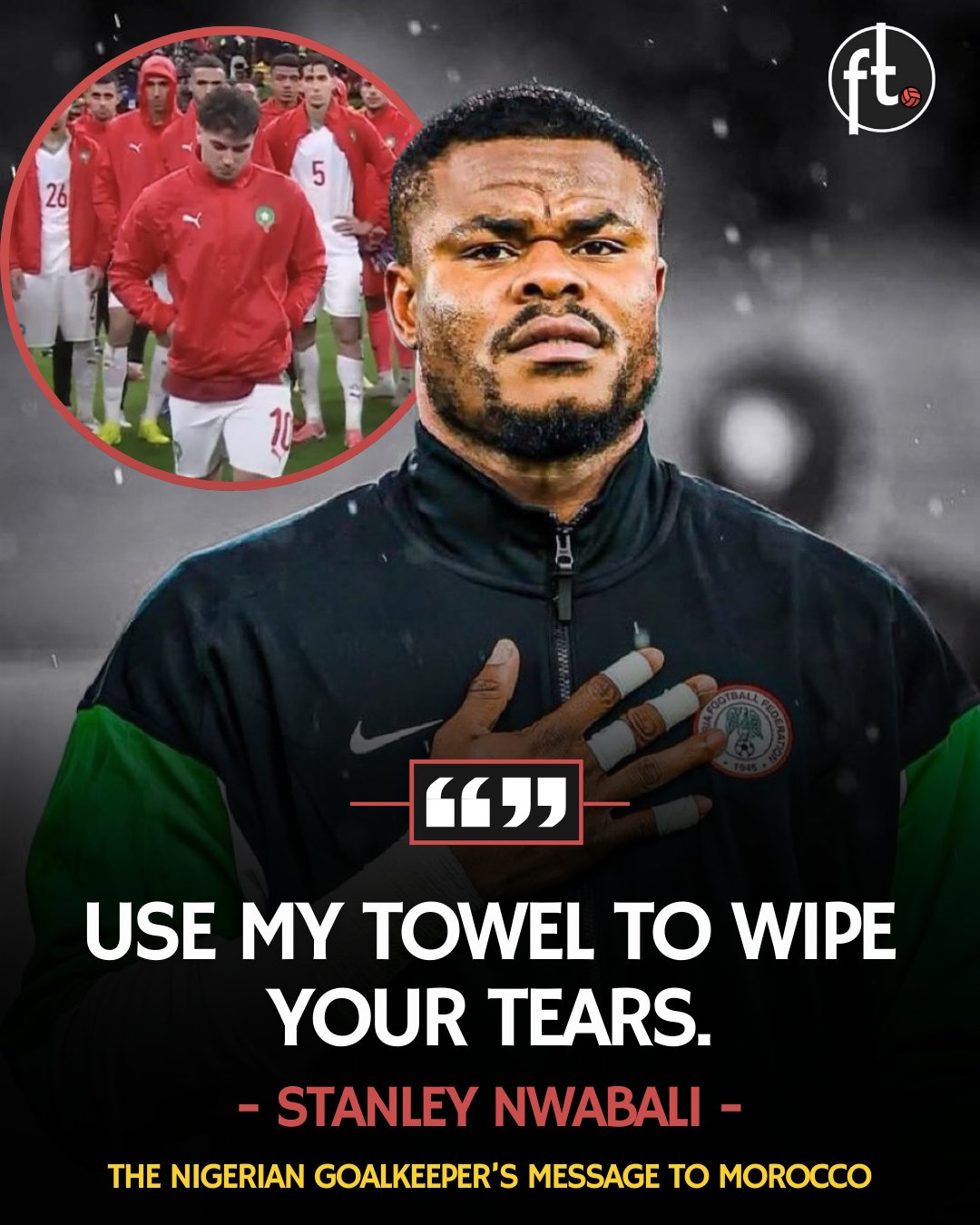
But Senegal was ready. They had clearly learned from the semi-final clash between Nigeria and Morocco. Unlike the fate that befell Nigeria’s Stanley Nwabali in that infamous clash, the Senegalese players refused to let Mendy’s equipment be seized. They blocked, shielded, and matched the madness with their own hyper-vigilance. That moment, as ridiculous as it appeared, decided nothing, yet it revealed everything.
What is this Moroccan obsession with the goalkeeper’s towel? I have read many theories, most of them ridiculous, including narratives of "towel voodoo." However, the practical reality is instructive: goalkeepers use their spit for grip during dry weather and use the towel to wipe away sweat. When it rains, they need towels to clean their faces because their gloves prevent them from using their jerseys. They also use towels to dry their gloves when they become too slick.
The Quiet War of Nerves
What we witnessed was not an isolated incident. It is part of a long, uncomfortable tradition in African football: a quiet war of nerves, manipulation, and psychological dominance. Critics lazily label these tactics "dark arts" and attribute them almost exclusively to North Africa.
Every AFCON produces the same chorus of accusations directed at Egypt, Morocco, Tunisia, and Algeria:
"They use dark arts." "They intimidate referees." "They cheat psychologically." This year, the imagery fueled the fire. A video of Pitso Mosimane lamenting the bullying tactics of Wydad Casablanca in 2019 resurfaced, going viral following fresh complaints about officiating at AFCON 2025. But there is a truth African football rarely admits: What we call "dark arts" is not culture, religion, or mysticism. It is power—carefully built, historically entrenched, and ruthlessly applied.
Competitive Pragmatism, Not Ritual
Blaming "North African culture" is a lazy deflection. Gamesmanship is not an Arab invention. Argentina perfected it; Italy institutionalized it; Atlético Madrid weaponized it; José Mourinho monetized it.
It is a fact that most North African teams practice competitive pragmatism: the art of winning in hostile systems where beauty is optional, but survival is mandatory. This is about how their football was built. For decades, North African football has prioritized one thing: Control.
Control of tempo.
Control of space.
Control of emotion.
Control of the official.
From Cairo to Casablanca, coaches teach that football is played with nerves. An old Egyptian coaching maxim says it all: "If you cannot dominate technically, dominate psychologically."
The Shadow of Institutions
I have observed over the years that North African football matured within robust state systems: highly organized federations, politically connected club owners, and deep influence within CAF structures. With the CAF headquarters in Cairo, referees were often viewed as negotiable, home advantage was treated as a science, and protest became a choreographed performance. This isn't about morality; it is institutional intelligence.
Furthermore, the rise of the "Ultras", from Al Ahly to Raja Casablanca, created the fiercest stadium culture in the region. These are not just fans; they are engines of intimidation. Referees and young opponents alike often break under the pressure of this "theatre of fear."
Viral Accountability
The days of "hidden" tactics are over. What used to stay on the pitch is now broadcast to the world in high-definition. In the past, the "towel war" might have been a footnote in a match report. Today, the world is flat with Viral Accountability.
Fans on X (formerly Twitter) and Instagram captured every angle, not just what the official cameras showed. The footage of Achraf Hakimi tossing Édouard Mendy’s towel went viral instantly, turning a "quiet war of nerves" into a global scandal before the final whistle even blew. When Morocco was awarded the Fair Play Award despite these scenes, social media immediately "brought the receipts." Fans used viral clips of ball boys wrestling with Senegal’s substitute keeper, Yehvann Diouf, to mock the decision, making it impossible for CAF to ignore the public’s perception of sportsmanship.
Player-to-fan communication is becoming a standard. We saw this with Stanley Nwabali’s cryptic Instagram post: "Make una use all my towels una carry wipe una tears." Players now use social media to bypass official press releases and speak directly to the fans about the gamesmanship they face. Digital transparency is the new "VAR for the soul of the game." It puts immense pressure on CAF and FIFA to stop rewarding theatre and start enforcing true discipline.
A Mirror for Sub-Saharan Africa
The real scandal is that these tactics thrive because CAF’s enforcement has historically been weaker than its ambition. It is no wonder some have called for the CAF President to resign, demanding a leader capable of more decisive action. Inconsistent refereeing and soft sanctions create a vacuum where the masters of disruption prosper.
This presents a harsh mirror to West and Southern African teams, who often arrive with:
Emotion before control.
Talent before discipline.
Protest before strategy.
Sub-Saharan teams often argue with referees rather than managing them. They chase revenge instead of rhythm. When they collapse mentally under provocation, they call it "magic." But what if it isn't sorcery? What if it is simply superior mental preparation?
The Final Word
North African football did not evolve this way by accident. It learned that beauty does not win African tournaments; psychology and power literacy do.
Until CAF standardizes officiating, until VAR becomes unerring, and until mental training matches physical training across the entire continent, the teams that understand chaos will continue to rule it. We can keep calling it "dark arts," but that is only because admitting the truth about our own systemic weaknesses is far more uncomfortable.
Bye for now!
See you in East Africa in 2027.
Karibu Tanzania!
Karibu Uganda!!
Karibu Kenya!!!
Asante!
. Fanawopo Chairman, Osun State Football Association